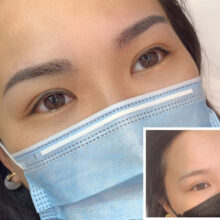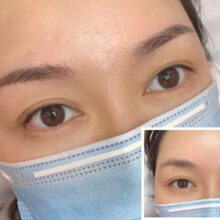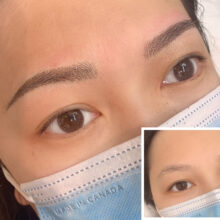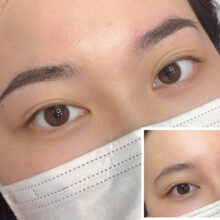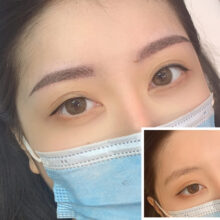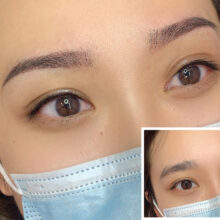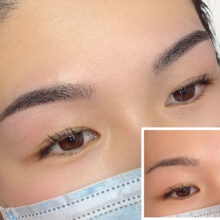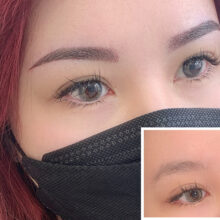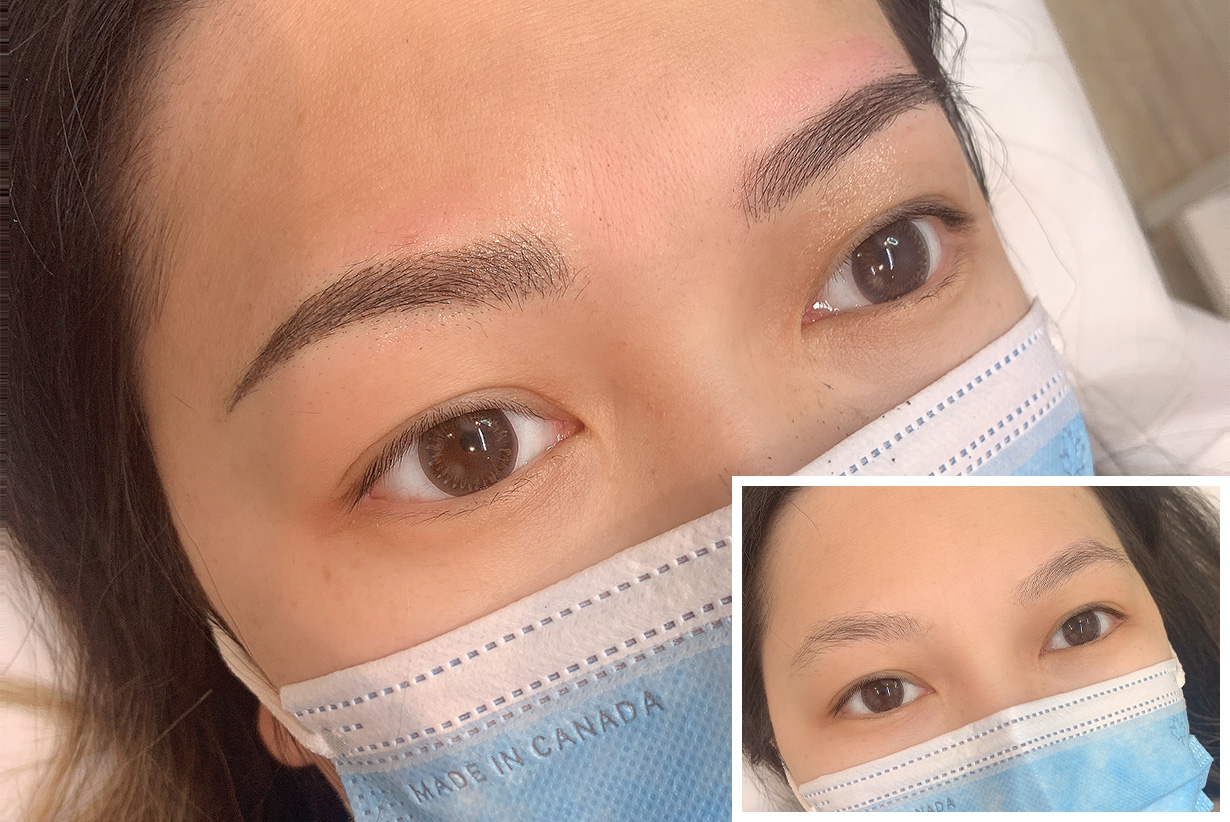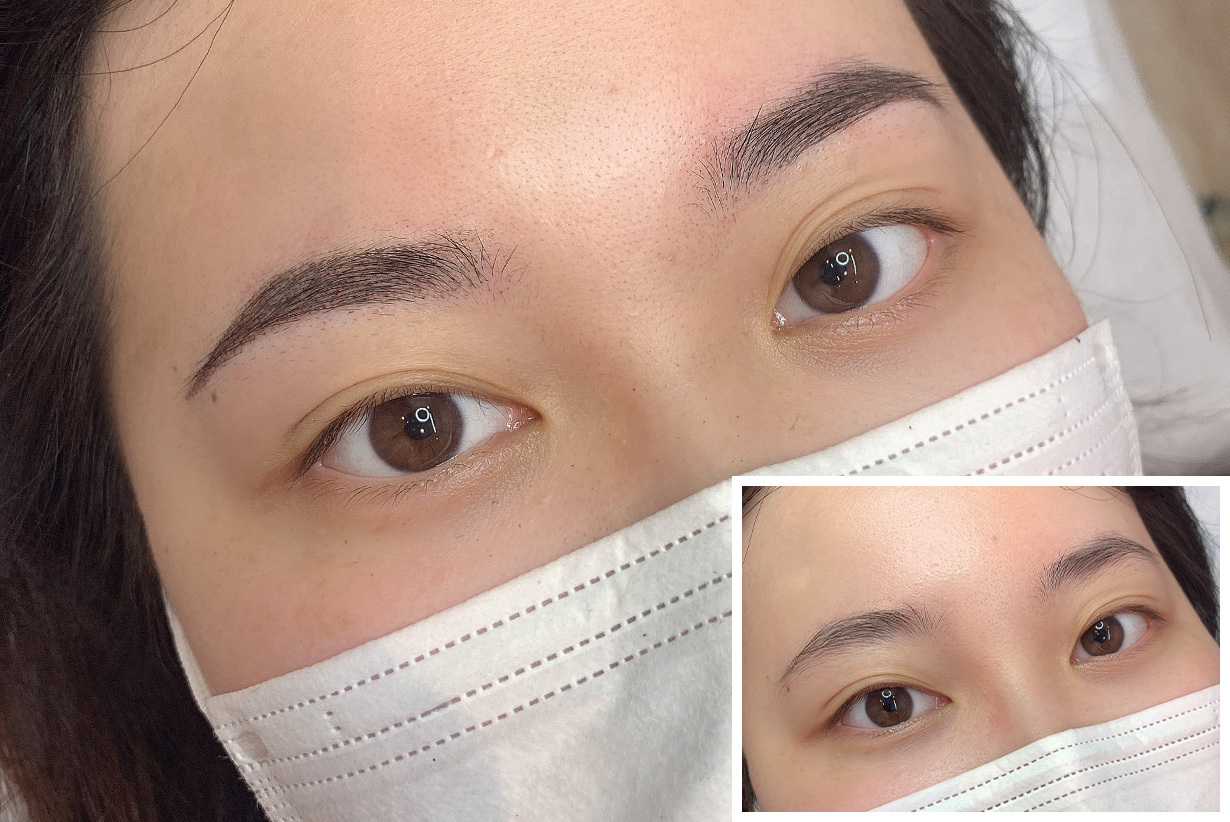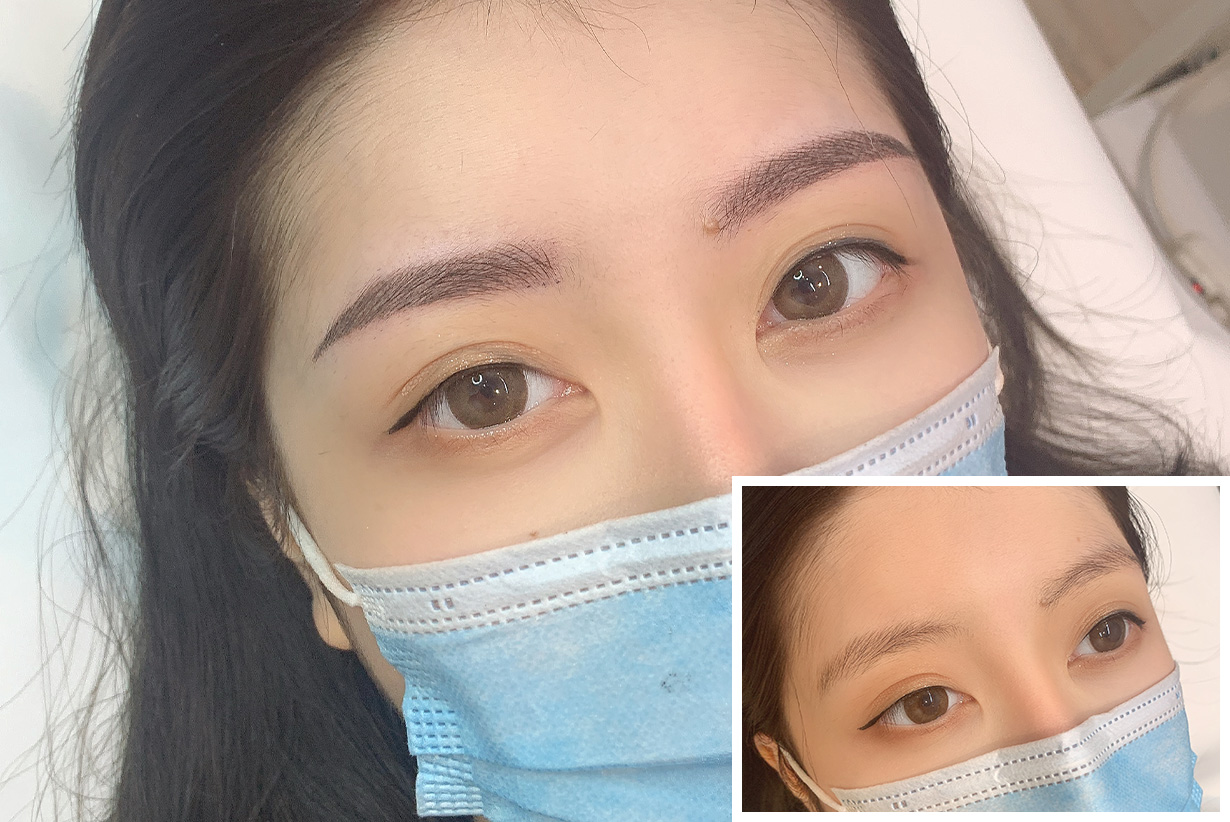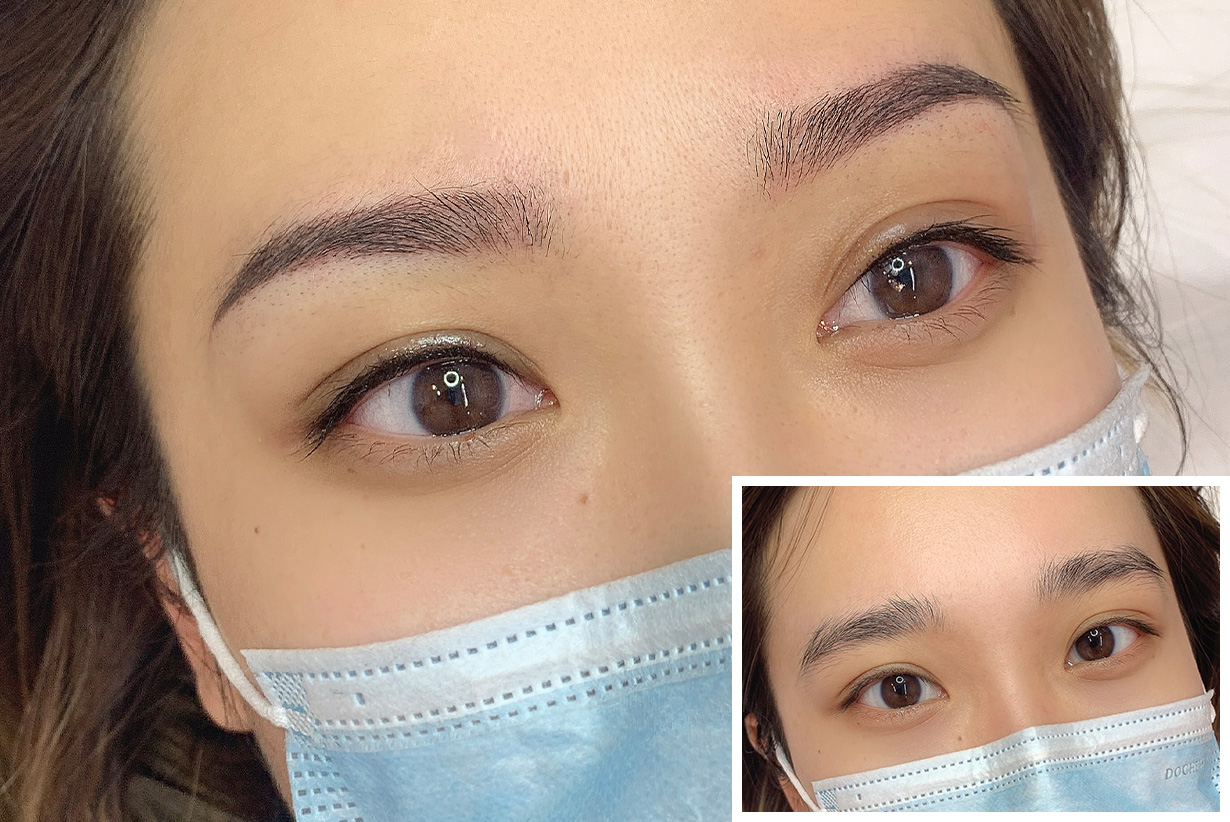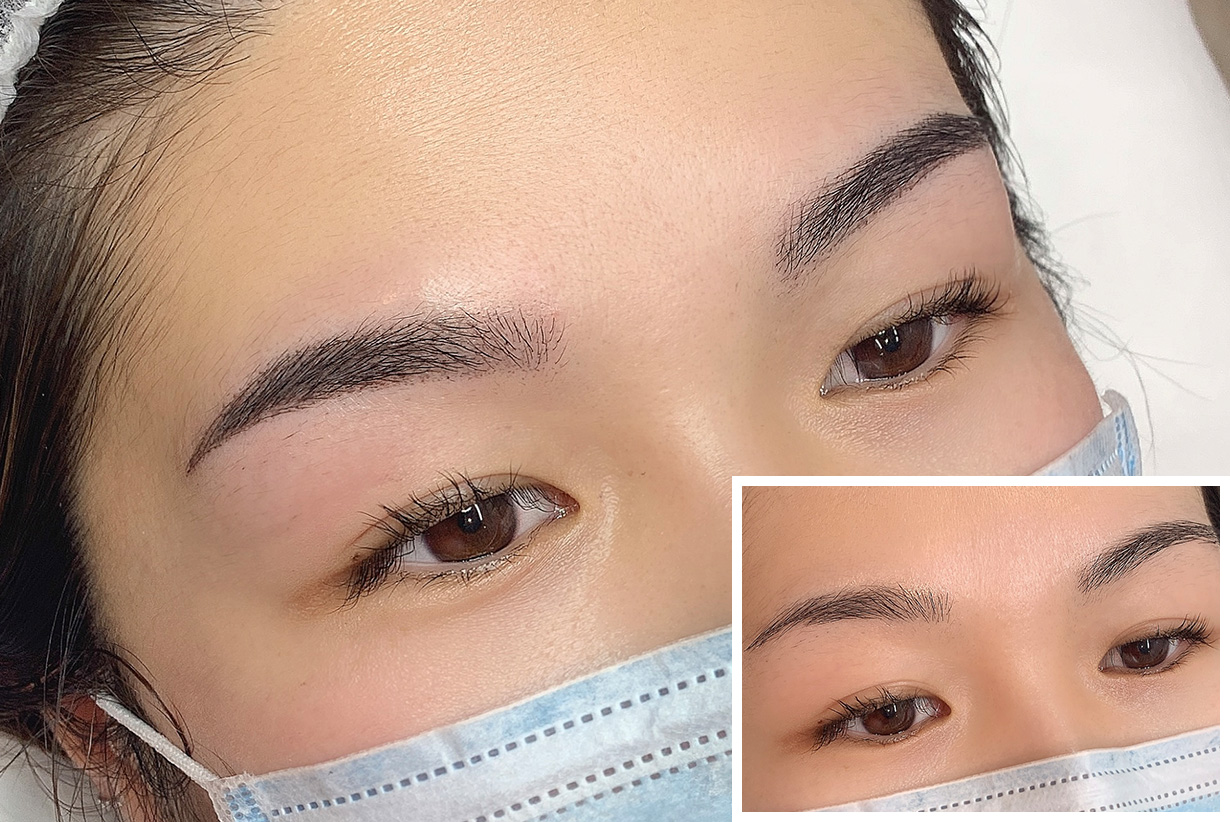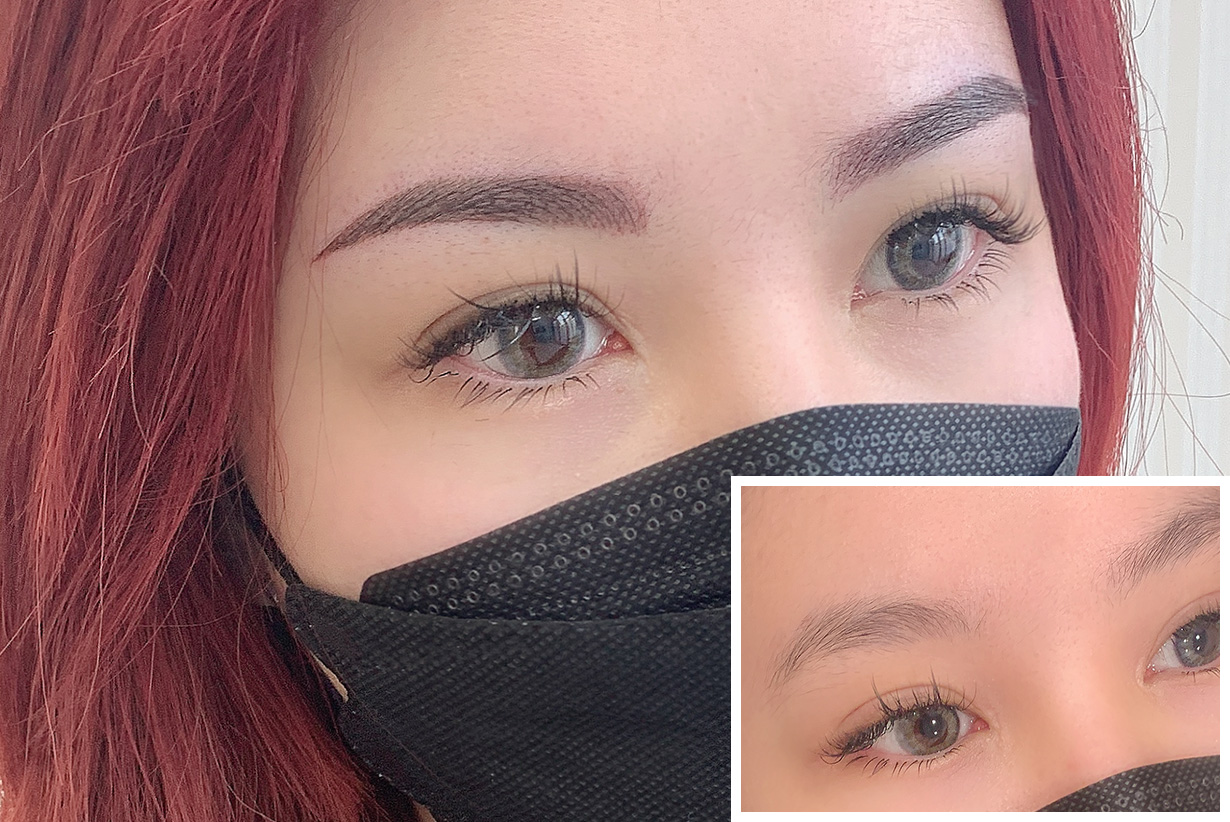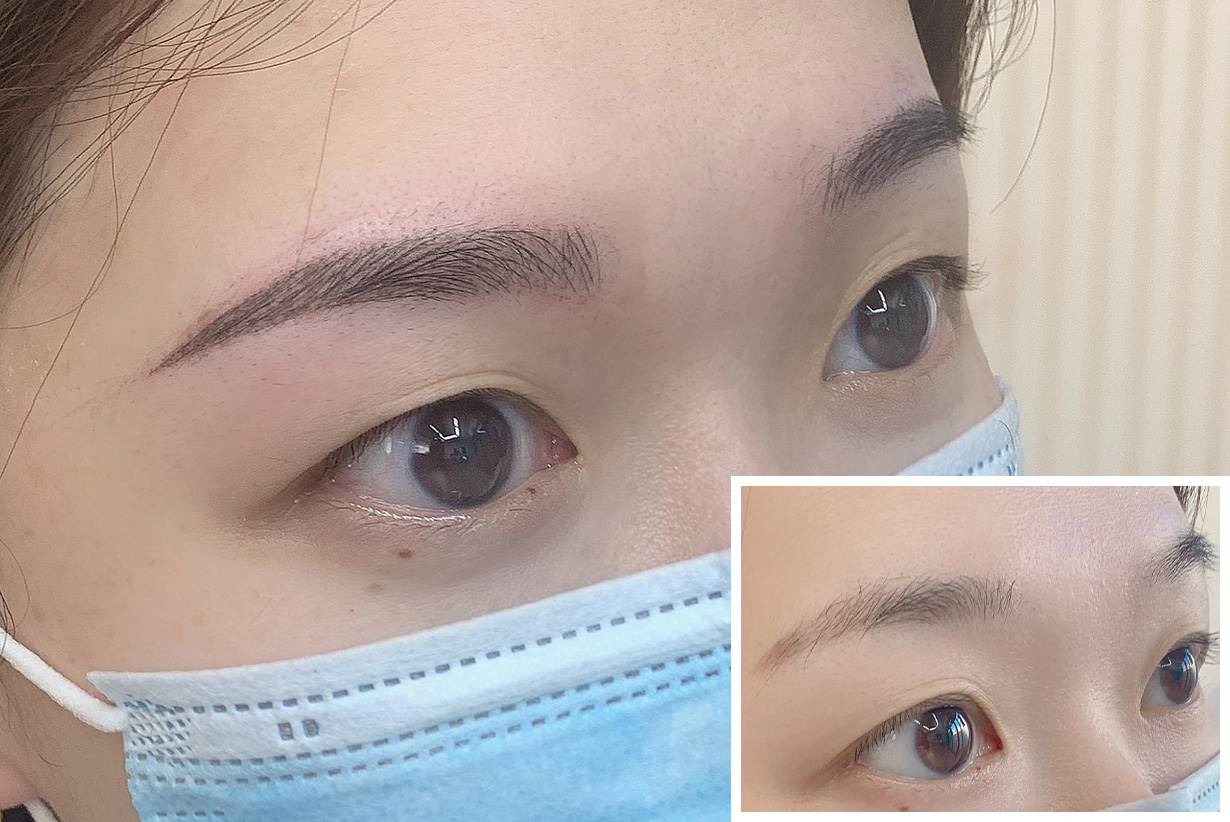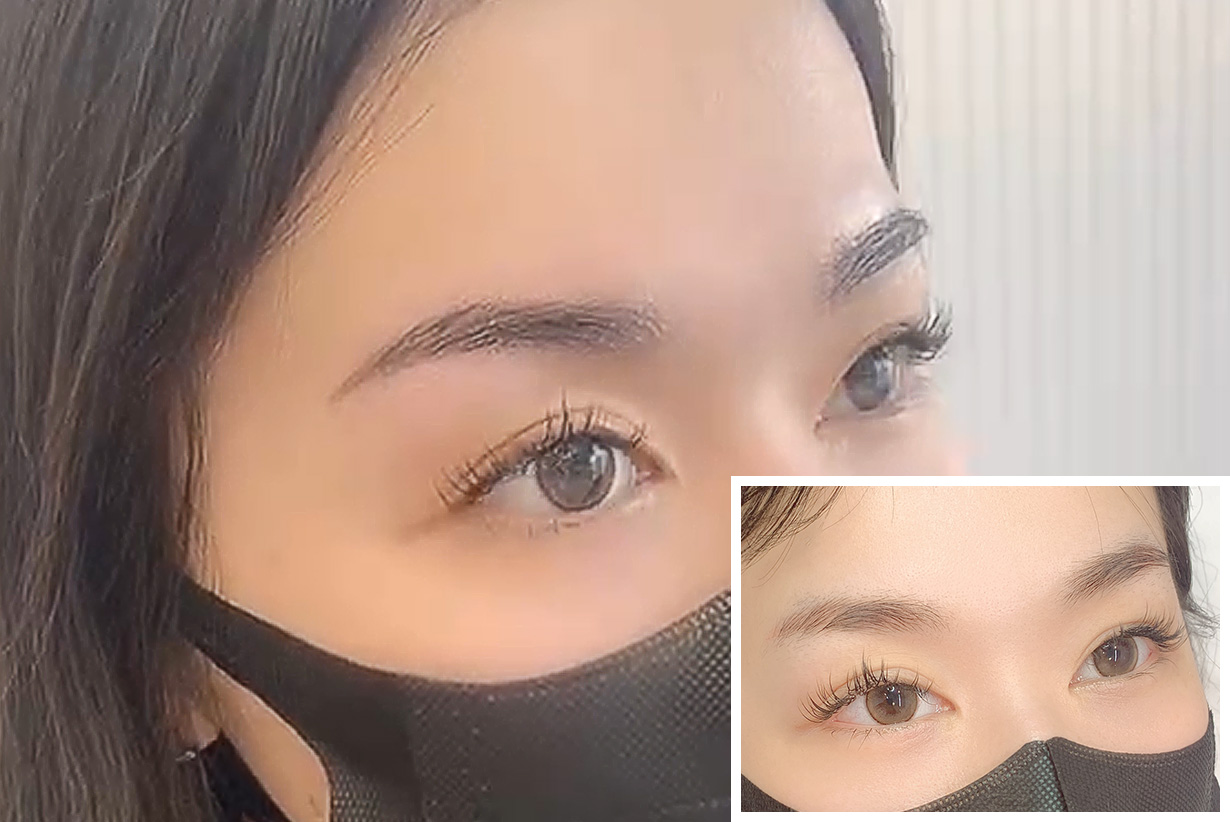
Why microblading can turn red
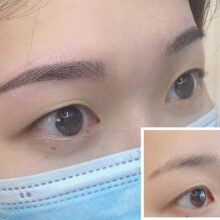
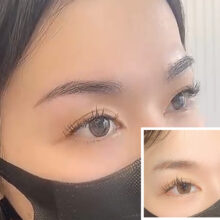
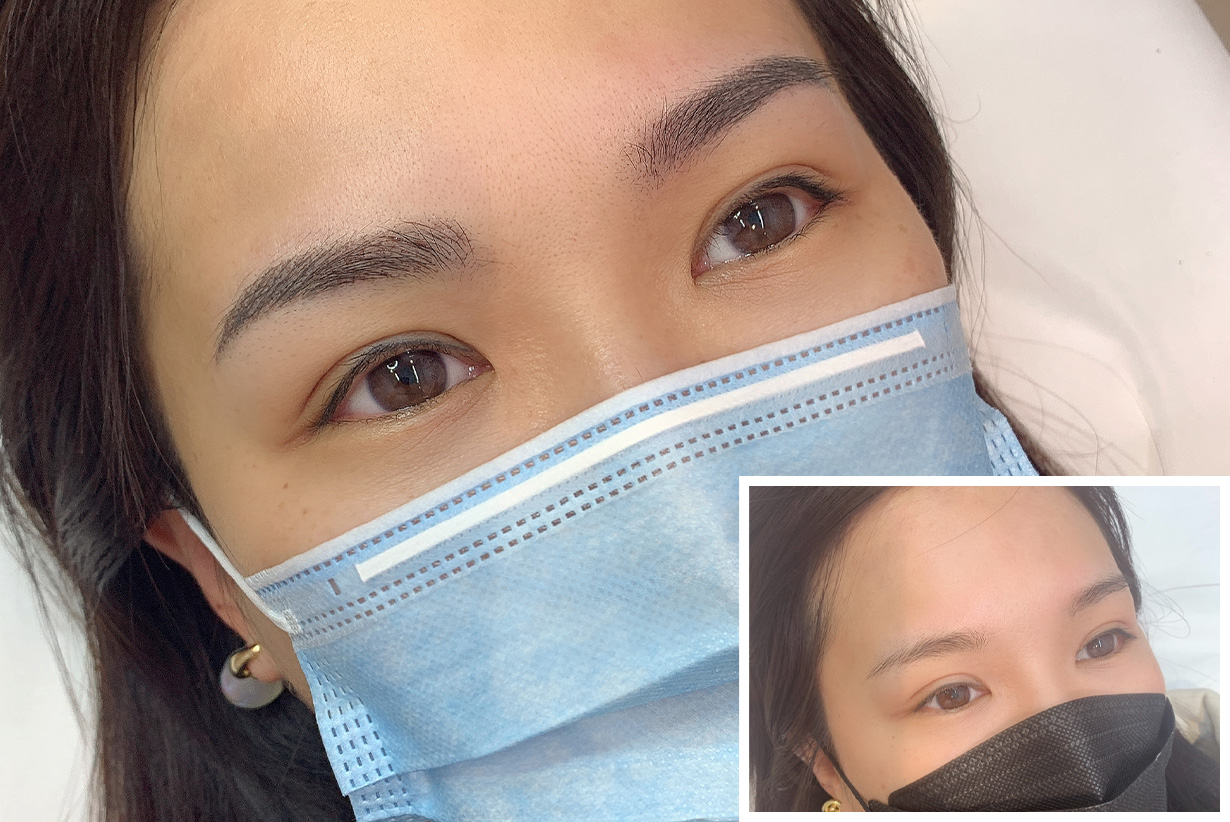
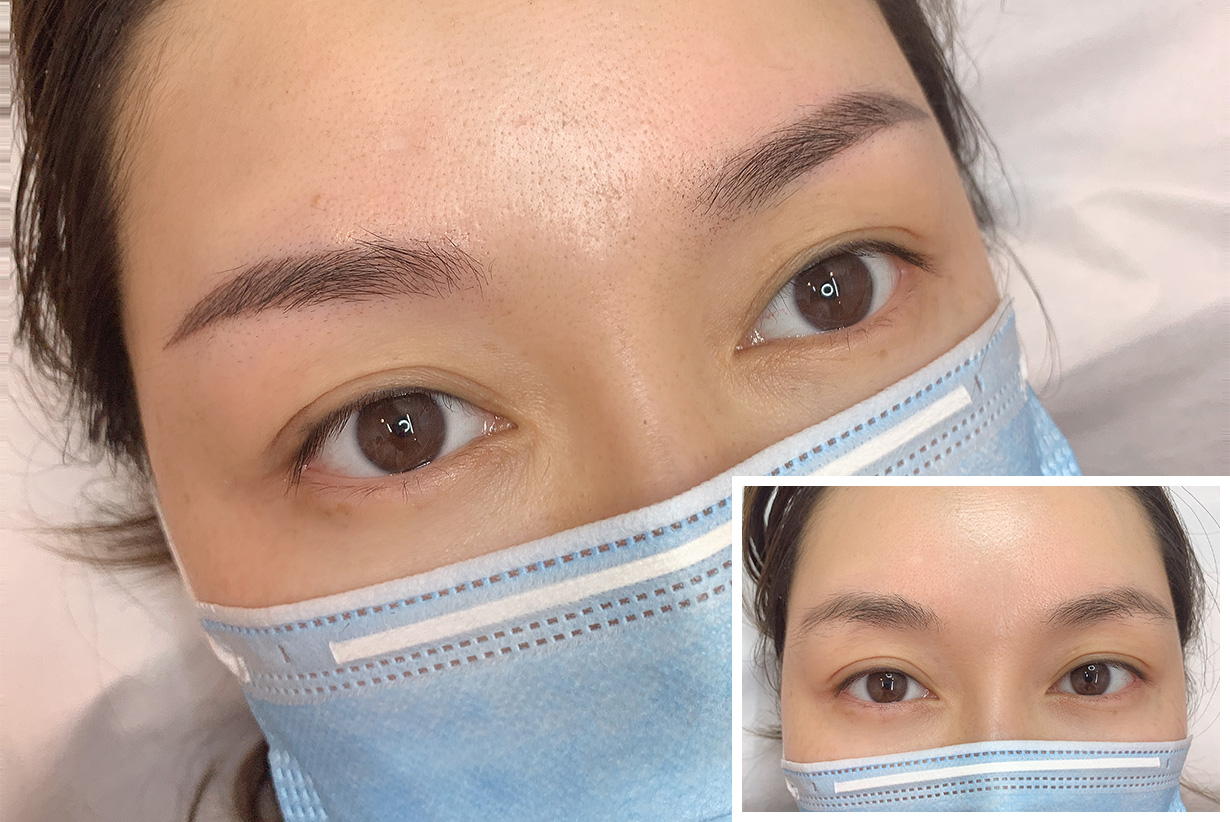
Microblading pigment can change color over time because the skin does not hold every pigment color equally. In many cases, darker brow pigments are made with a mix of colors. As the darker/cool tones fade faster, the warmer red, orange, or salmon tones may remain more visible.
Common reasons include:
Sun exposure
UV light can fade pigment and make warm tones appear stronger.
Skin type
Oily or combination skin may fade microblading faster and less evenly.
Pigment quality or pigment choice
Some pigments heal warmer depending on the formula and the client’s undertone.
Old microblading fading naturally
After 1–2 years, microblading may lose its original brown tone and reveal red, orange, or grey undertones.
Skincare products
Retinol, acids, exfoliating products, peels, and brightening treatments near the brows can speed up fading.
Incorrect depth during the original work
If pigment was placed too shallow or unevenly, it may fade into an unwanted color faster.
What are the solutions?
1. Color correction
If the old microblading is light enough, the red tone may be corrected with a neutralizing pigment.
For red or orange brows, artists often use an olive, green, or cool-toned corrector to neutralize the warmth before creating a natural brown result.
This is usually best when:
The old pigment is not too dark
The shape is still acceptable
The skin is healthy
The client wants to keep a similar brow shape
2. Powder brows or ombré brows correction
If the red microblading is faded but still visible, powder brows may be a better correction option than doing more hair strokes.
Powder brows can help:
Cover uneven red pigment
Create a softer brown tone
Improve brow shape
Last better on oily or combination skin
Give a more even healed result
For many correction cases, powder brows are more predictable than adding more microblading strokes.
3. Combination brows
If the client still wants a natural look, combination brows may be used. This can include soft hair strokes in areas without old pigment and gentle shading over areas that need color balance.
This works best when the old red pigment is light and not outside the ideal brow shape.
4. Removal or lightening first
If the red pigment is too strong, too dark, or outside the desired brow shape, correction may not be enough.
In that case, the best plan may be:
Saline removal
Laser removal
Multiple lightening sessions
Then new brow design after the old pigment fades
This is especially important if the old shape is too thick, uneven, too high, or too low.
5. Avoid adding dark pigment too quickly
One common mistake is trying to cover red brows with very dark brown pigment immediately.
This can make the brows look muddy, too dark, or unnatural after healing. A professional correction plan should consider the existing pigment color, depth, skin condition, and target brow color.
What clients should do first:
Before booking a correction, take clear photos of your brows in natural light.
The artist should check:
How red/orange the pigment is
Whether the shape is still good
Whether the pigment is light or dark
Whether the skin has scarring
Whether correction or removal is safer
Whether microblading, powder brows, or combination brows is best
A consultation is very important because red microblading correction does not have a one-size-fits-all solution.
Mermaid Beauty and Skincare provides customized brow and permanent makeup services in Richmond, BC. We serve clients from Richmond, Vancouver, Burnaby, Surrey, Washington.
Whether you are interested in microblading, powder brows, lip tinting or permanent makeup, we focus on creating a result that suits your natural features and lifestyle.